
Home / Computer Room Air Conditioning Unit (CRAC)
What is Computer Room Air Conditioning Unit (CRAC)?
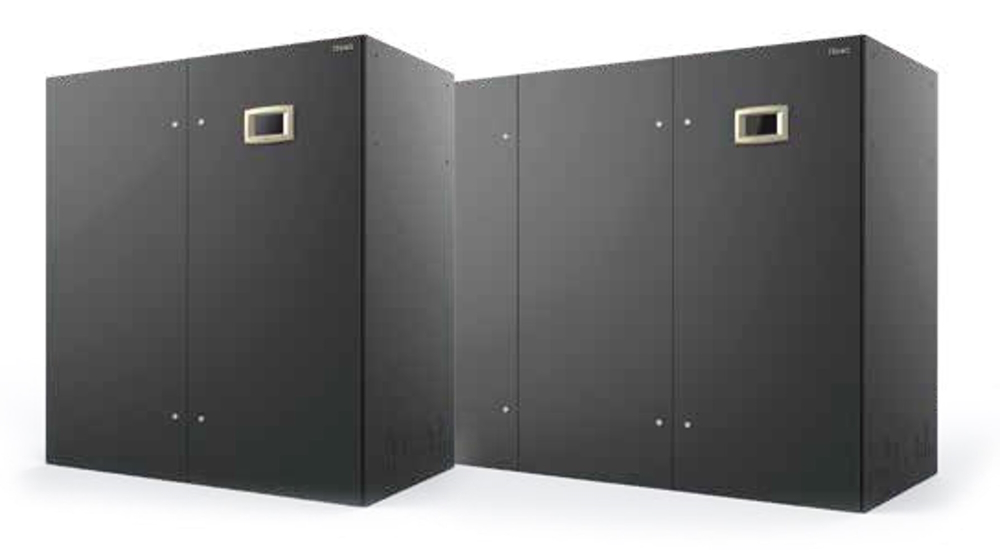
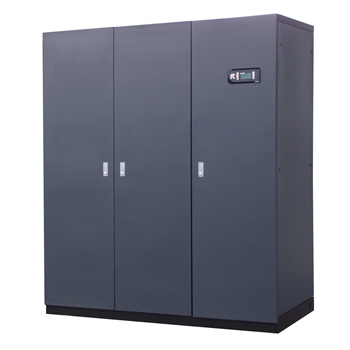
CRAC units, or computer room air conditioning units, are cooling units specifically designed to cool and regulate the temperature and humidity in a computer room or data center. As the equipment in your computer room becomes more complex and compact, computer rooms are watching their power draw and heat generation quickly rise. The increase in computer room power consumption, density, and heat generation requires a more exact approach to a computer or IT room air conditioning design than ever before. To address these thermal challenges, a specialized computer room air-conditioning unit is engineered to provide precise environmental control to protect sensitive electronics from overheating or damage.
The mechanism of CRAC systems
Unlike traditional air conditioning units, this precision cooling technology features advanced air filtration, humidity control mechanisms, and high airflow rates to ensure optimal performance and reliability. The equipment works by using a refrigeration cycle where air is blown over a cooling coil filled with refrigerant. The refrigerant is kept cold by a compressor, and excess heat is expelled as air, water, or a glycol mixture. Cool air is dispensed through an elevated floor, forming cold aisles that move through the racks. The air picks up heat, forming hot aisles at the rear of the racks, and then returns to the CRAC intakes above the floor. Implementing a premium CRAC system can significantly enhance your facility’s operational resilience by maintaining continuous thermal stability.
CRAC units are essential for regulating temperature and humidity in computer rooms and data centers to prevent damage to electronics and system failures. They can maintain a set temperature, air distribution, and humidity level and have better air filtration, humidity control mechanisms, and higher airflow than typical air conditioning systems. By comparison, CRAC systems have better air filtration, better humidity control mechanisms, and higher airflow than typical AC systems.
The units help prevent low humidity and water vapor buildup, which can cause damage to electronics, static electricity buildup, short circuits, and equipment corrosion. Our company is a CRAC provider that specializes in providing turnkey solutions for data centers and other critical infrastructure, including a range of the units designed specifically for use in these environments.
What are the main components of CRAC systems?
- Refrigerant: A specialized chemical fluid integral to the cooling cycle in CRAC units and air conditioners. It efficiently transfers heat by transitioning between liquid and gaseous states, absorbing warmth from the server room and expelling it outside the controlled environment.
- Cooling Coils (Evaporator Coils): These heat-exchanging elements are where the crucial transfer of thermal energy occurs. As warm indoor air is drawn across the network of coils containing cold refrigerant, the heat is absorbed by the refrigerant, resulting in chilled air being circulated back into the room.
- Compressors: The powerhouse of the refrigeration cycle, these mechanical devices are responsible for circulating and pressurizing the refrigerant. By increasing the refrigerant’s pressure and temperature, they prepare it to release absorbed heat; then, by allowing it to expand and cool, they ready it to absorb more heat in the cooling coils.
- Air Filters: Essential for safeguarding both the unit and the sensitive IT equipment, these filters meticulously trap and remove particulate contaminants like dust and debris from the airstream. This ensures optimal operational efficiency, prevents equipment damage, and maintains a cleaner environment within the data center.
- Electronically Commutated (EC) Fans: These advanced air-moving components are engineered for superior energy efficiency and precise airflow control. By utilizing EC motor technology, they significantly reduce energy consumption and waste heat generation compared to conventional fans, contributing to improved data center PUE and more stable environmental conditions.
What are the features of CRAC for data centers?
Precision cooling solutions offer a range of features that make them ideal for use in data centers and other critical environments. Some of the key features of CRAC units include:
Precise Temperature Control
Designed to maintain a precise temperature range within a data center. This ensures that equipment stays within safe operating temperatures and reduces the risk of system failures or downtime.
Humidity Control
Provide precise humidity control to prevent equipment damage caused by low humidity or water vapor buildup.
High Airflow Rates
High airflow rates ensure that cool air is distributed evenly throughout the data center. This helps prevent hot spots and ensures that equipment stays within safe operating temperatures.
Advanced Air Filtration
Feature advanced air filtration systems to remove contaminants from the air, ensuring that the data center environment remains clean and safe.
Energy Efficiency
Designed to be energy-efficient, helping to reduce operating costs and minimize environmental impact.
Benefits of Advanced Thermal Management
Operational Resilience
Prevent thermal-related equipment failures through continuous monitoring and precision cooling. By maintaining stable temperatures, they reduce the risk of unexpected downtime, which can cost businesses up to $5,600 per minute in critical IT environments.
Performance Optimization
Precise temperature control ensures servers and networking equipment operate at peak efficiency. Even a 1-2°C temperature difference in temperature can reduce computational performance by up to 10%, making consistent cooling critical for maintaining high-performance computing infrastructure.
Long-Term Asset Protection
Controlled environmental conditions can extend IT hardware lifecycle by 30-40%. By preventing thermal stress, CRAC systems reduce wear on components, minimizing the frequency of expensive hardware replacements and protecting significant capital investments.
Scalability Support
Modular CRAC designs allow seamless infrastructure expansion. These systems can be incrementally upgraded or reconfigured, supporting business growth without requiring complete cooling system overhauls, typically saving 20-25% compared to full system replacements.
Environmental Sustainability
CRAC units play a crucial role in supporting sustainable data center operations. Advanced technologies can dynamically adjust cooling output based on server load, reducing energy consumption by up to 40% and lowering your facility’s carbon footprint.
With advancements in energy-efficient design and intelligent controls, modern units can dynamically adjust cooling output based on server load and ambient conditions. This adaptability not only improves performance but also reduces unnecessary energy use, aligning with environmental goals and promoting long-term cost savings.
How can we help?
Newtech is a professional provider which specializes in providing turnkey solutions for data centers and other critical infrastructure. As a professional CRAC provider, we offer a range of precision air conditioners designed specifically for use in these environments, along with a range of services to help ensure optimal performance and reliability.
Our team of experts has extensive experience in designing and implementing CRAC systems that meet the unique needs of our clients’ critical environments. We offer a range of services, including assessment, consultancy, equipment sourcing and procurement, installation, testing, and facility maintenance. Every CRAC unit we provide undergoes rigorous testing to guarantee maximum uptime.
Our IT Cooling Solutions
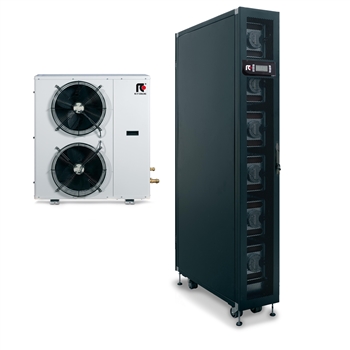
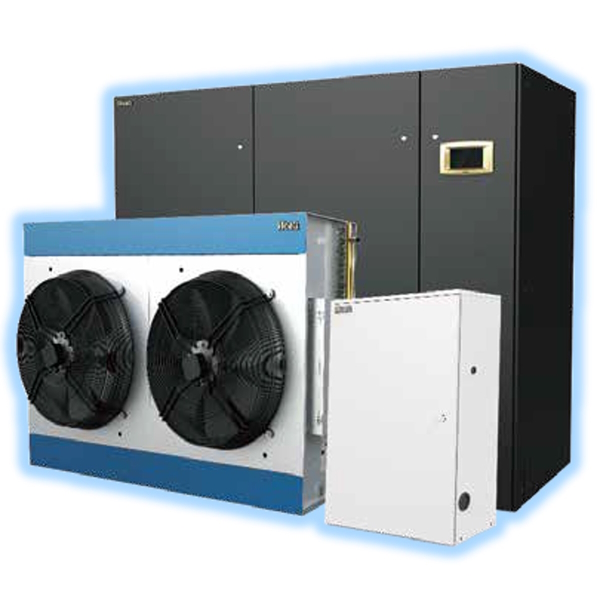
As a premier CRAC provider, we offer a wide range of IT cooling solutions to meet clients’ customized needs and different facility settings. Our comprehensive portfolio includes general precision CRAC units supporting capacities up to 200kW, alongside specialized in-row cooling systems and air-cooled outdoor units designed for modern, high-density data centers.
Precision CRAC Solutions (Up to 200kW)
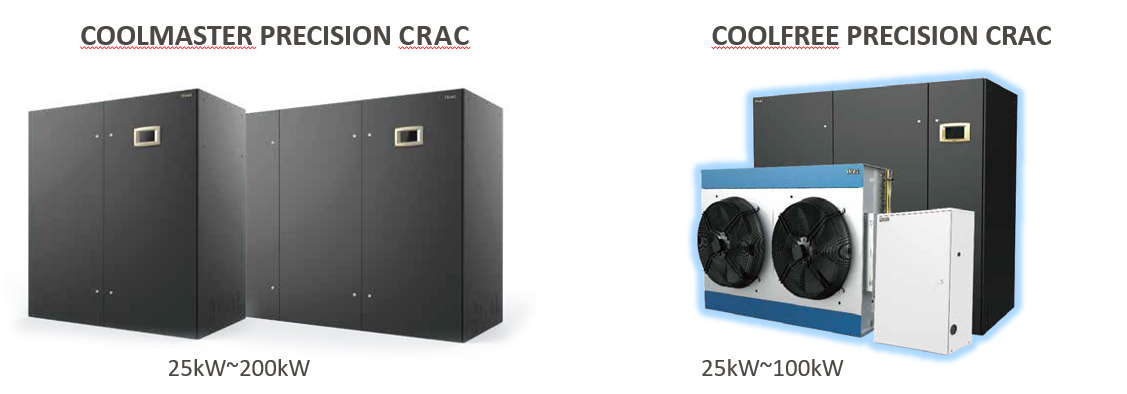
We provide advanced precision air conditioning units designed to manage the thermal loads of demanding IT environments. These solutions support wide-ranging cooling capacities up to 200kW, ensuring optimal temperature and humidity control for critical infrastructure while maximizing overall energy efficiency.
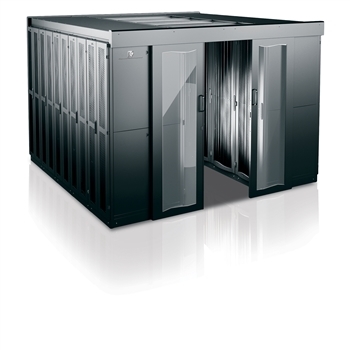
In-Row Precision Cooling Solutions (Up to 60kW)
Our in-row precision air conditioners feature high reliability and excellent energy efficiency performance, delivering refrigeration precisely as per load demands. Supporting capacities up to 60kW, these systems can be configured with up to 16 temperature sensors to collect important temperature data directly from equipment cabinets. Based on the data collected, the system calculates the cooling capacity requirement precisely. Cooling capacity output can be dynamically adjusted in the range from 20% to 100% to perfectly match the heating capacity of the loads.
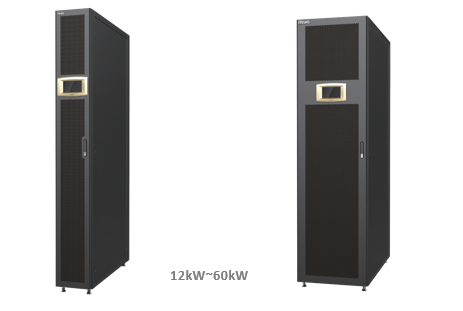
Features
- High air return temperature
- High energy efficiency
- 100% sensible heat ratio
- Short distance air flow
- Rack row installation
- Same appearance style as IT cabinets
- Rear air flow
- Front air flow
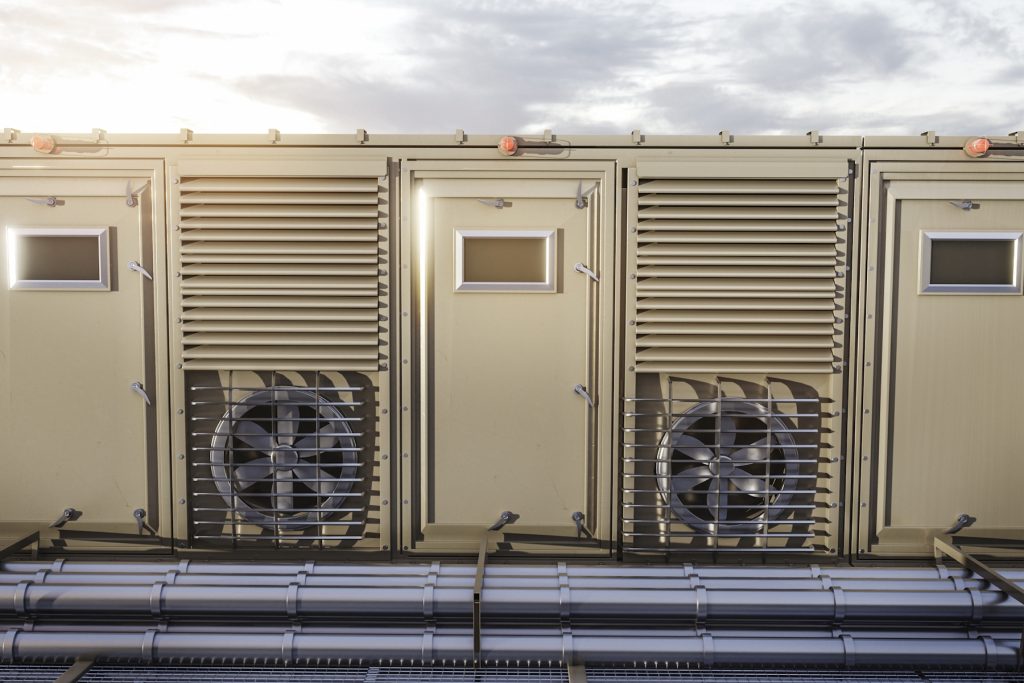
Air-Cooled Array Outdoor Units
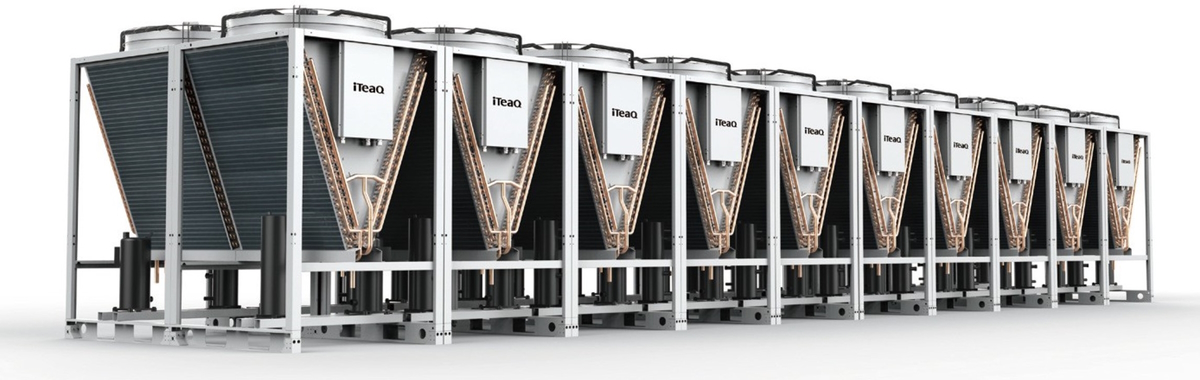
Features
- Single unit: “V” type heat exchanger, saving occupation area by more than 50%.
- Array installation: Saves occupation area by more than 70%.
- Identical dimensions for quick array installation of different models.
- Step-less fan speed: Adjusted by heat load to save energy.
- Optional component 1: Noise-drop kit, reducing noise by more than 7dB.
- Optional component 2: Pump kit, with the ability to use natural cooling resources to save on overall energy costs.
- Optional component 3: Wet film covered on the heat-exchanger surface to improve heat exchange ability.